This Week in Buckeyes History · Recovery · 4 min read
Jermale Hines: Finding Another Way to Win
Jermale Hines’ pick-six helped Ohio State beat Wisconsin on Oct. 10, 2009. When the original plan wasn’t working, the Buckeyes found another way, a reminder to think in terms of problems and solutions.
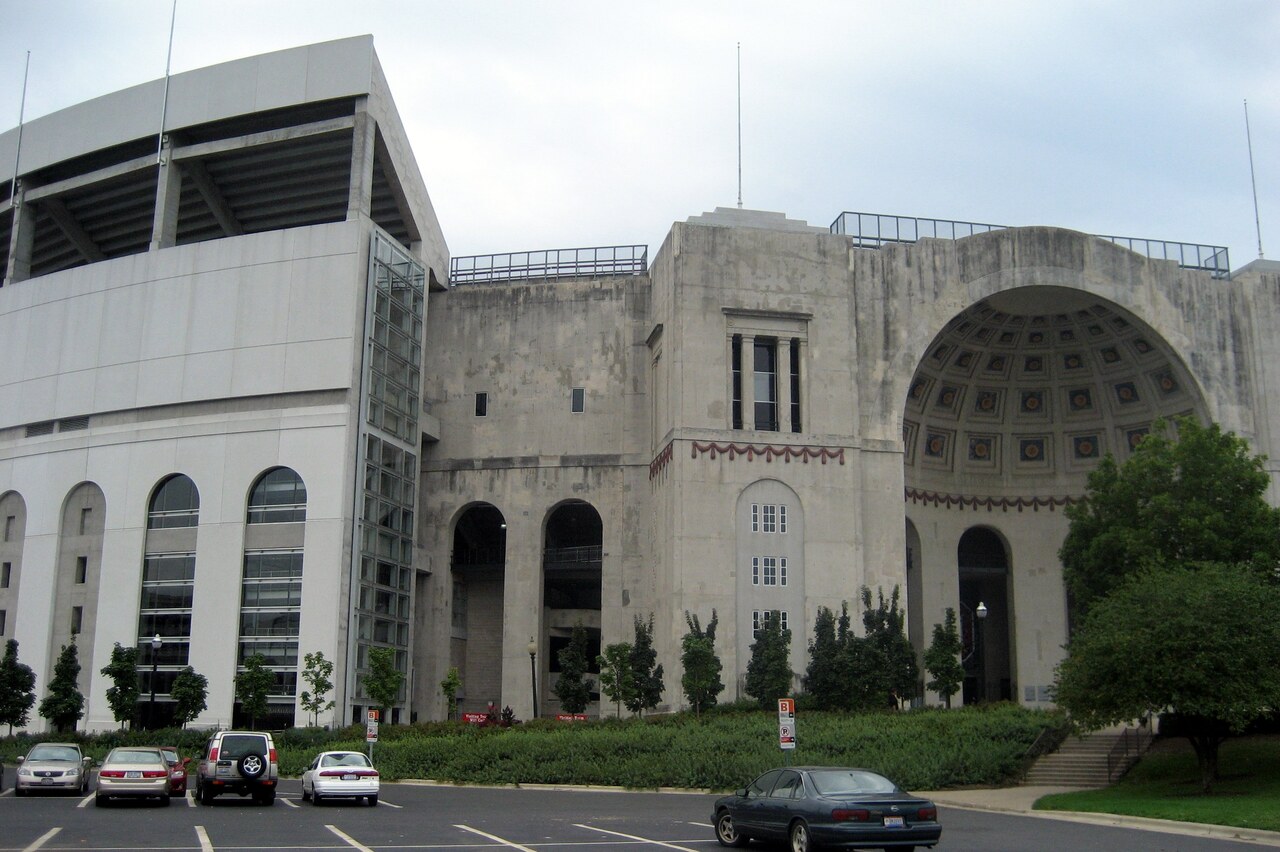
Ohio State’s offense wasn’t very good on Oct. 10, 2009. Actually, that’s being generous. The ninth-ranked Buckeyes gained only 184 yards against No. 25 Wisconsin and had the football for a little more than 17 minutes, which is usually a pretty good recipe for losing.
Ohio State won 31-13.
🤷
The Buckeyes found other ways to score, and one of the guys who helped make that happen was Jermale Hines. He wasn’t the biggest name on that Ohio State defense. Kurt Coleman was an All-Big Ten safety, Cameron Heyward was becoming a star, and Ross Homan and Brian Rolle were piling up tackles. Hines was simply another really good player on a defense full of them.
Coleman got things started when he intercepted Wisconsin quarterback Scott Tolzien and returned it 89 yards for a touchdown. Wisconsin responded and eventually took a 10-7 lead with less than two minutes remaining in the first half.
For most of the half, Ohio State’s offense sputtered. But Terrelle Pryor and DeVier Posey finally gave it some life. Pryor led the Buckeyes on an 88-yard drive and hit Posey for a 32-yard touchdown with 40 seconds remaining, giving OSU a 14-10 halftime lead.
It would be the Buckeyes’ only offensive touchdown of the afternoon, which seems weird considering they finished with 31 points.
Then Hines got involved.
Early in the third quarter, Tolzien threw the ball in his direction. Hines intercepted it and returned it 32 yards for a touchdown, the second interception of his college career, giving Ohio State a 21-10 lead.
Wisconsin later kicked a field goal to pull within eight, but Ray Small immediately returned the ensuing kickoff 96 yards for another touchdown. By the end of the afternoon, Ohio State had scored 31 points despite its offense producing only one touchdown. The defense scored twice, special teams scored once, and the struggling offense did just enough.
Hines did more than score. He finished with a career-high 11 tackles and helped Ohio State hold Wisconsin running back John Clay to 59 rushing yards after Clay had been averaging more than twice that during the previous four games.
His versatility shouldn’t have surprised anyone who knew his background. At Cleveland Glenville, Hines played quarterback and linebacker. As a junior, he recorded 97 tackles, eight sacks and four interceptions. As a senior, he ran for 800 yards while throwing for 750 yards and nine touchdowns.
Then he came to Ohio State and eventually found a home at safety.
Obviously, Jermale Hines wasn’t overly concerned about job titles. He just played football.
By 2009, the junior had become an important part of one of the nation’s best defenses, finishing the season with 57 tackles and two interceptions. A year later, Hines was one of the veterans leading Ohio State’s secondary, landed on the Jim Thorpe Award preseason watch list and earned first-team All-Big Ten honors.
The St. Louis Rams selected him in the fifth round of the 2011 NFL Draft.
But the Wisconsin game tells his Ohio State story as well as anything.
Football teams spend all week planning how they expect to win, and we tend to do the same thing with life. We make plans, decide how things should work and convince ourselves that if we do A, then B should naturally follow.
Then life has other ideas.
The job falls through. An unexpected bill pops up. The relationship doesn’t improve the way we expected. The thing we were certain would work suddenly doesn’t.
What do you do then?
Go into Problem/Solution mode.
The problem facing Ohio State that Saturday was obvious. The offense wasn’t moving the football consistently, so the Buckeyes found other ways to win. Pryor and Posey finally broke through before halftime, Coleman and Hines scored on defense, and Small scored on special teams.
None of those solutions looked exactly like the plan Ohio State probably carried into the stadium that afternoon.
But they adjusted and found something that worked.
That’s the point of Problem/Solution thinking. It doesn’t mean pretending a problem doesn’t exist or convincing yourself everything is fine when it isn’t. It means recognizing the problem, then refusing to stare at it so long that fear, frustration and uncertainty take over.
What can I do next? What can I control? What other option haven’t I considered?
Sometimes the solution looks nothing like the original plan.
Jermale Hines came to Ohio State after playing quarterback and linebacker in high school. Against Wisconsin, the former quarterback helped win the game by catching a pass from the other team and running it 32 yards in the opposite direction.
That wasn’t the original plan.
But it still worked.